School of Earth and Environment

Integrating Economic and Landuse Models to Anticipate Rural Vulnerability to Climate Change

Funding body: ESRC research fellowship through the RELU program

Amount: £333,557

Duration: 2007-2010

Summary

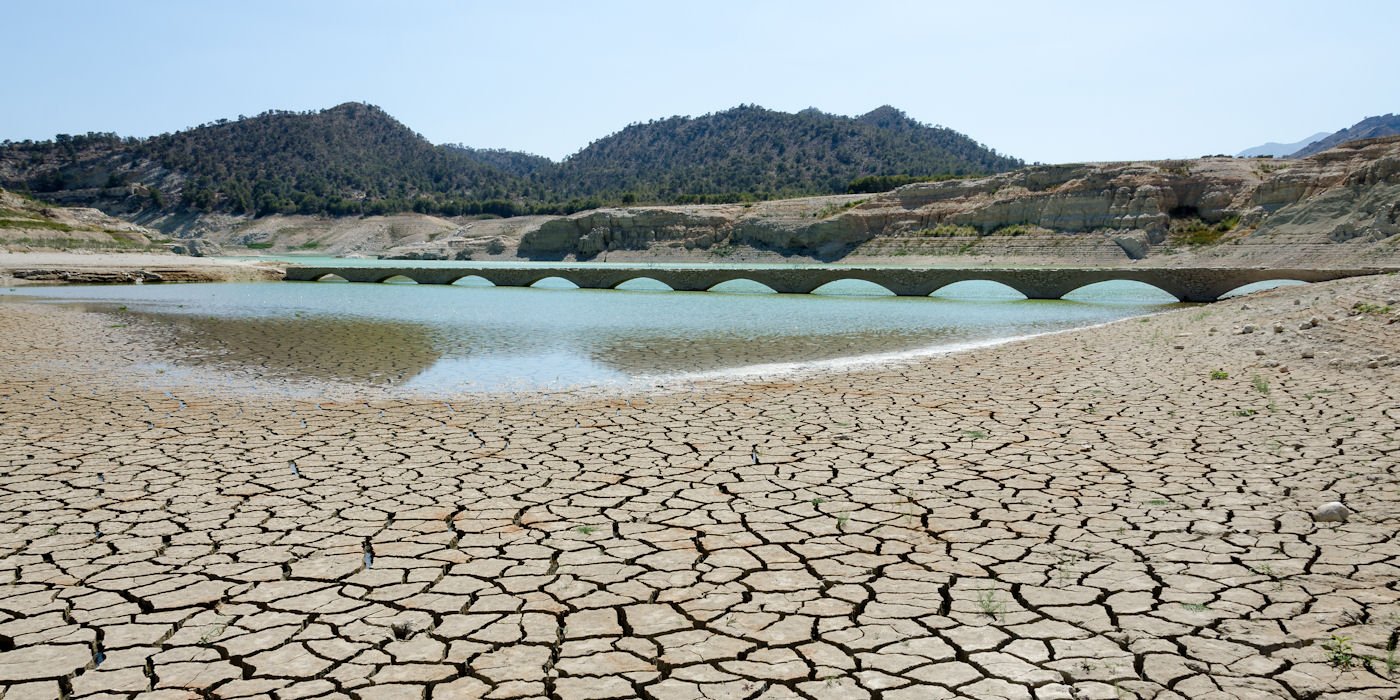
What might climate change do to the food we depend on? On one hand, we know that farmers need abundant, but not excessive, rainfall, sunlight, and soil nutrients. They also need functioning rural economies. As climate change may disturb some of these conditions, are we headed for trouble? After all, history is littered with examples of civilizations that collapsed because food systems stopped working. Archaeologists show that drought helped topple the Maya who relied on landuse patterns that were ecologically fragile. More recently, the drought that set off the Ethiopian famine in the 1980s was minor in meteorological terms, yet caused hundreds of thousands of deaths due to land use and economic/political factors. On the other hand, sometimes we adapt to even big environmental problems: a drought in Southern Africa during 1991-2 was referred to as "apocalyptic" when harvests were 56% below normal. Despite this, there were no famine-related deaths in South Africa thanks to actions taken by a range of institutions.

Providing clear answers to the effect that climate change may have on food production and distribution, therefore, requires integrating insights about rural economies and landuse patterns along with climate predictions. As a result, the purpose of this fellowship will be to use tools from a range of academic disciplines to undertake a series of linked research projects that will provide insight on vulnerability to climate change in key case studies as well as at a global study using national-level data.

Work will begin with an historical assessment of cases where relatively small environmental problems had major effects on food production and distribution systems. This will allow me to identify key characteristics of vulnerability. I will then quantitatively assess the importance of these characteristics in a range of different circumstances and apply these insights to today's world. To do this, I will draw on tools from a range of academic disciplines: landscape ecology and agro-ecology to understand the role landuse plays in determining vulnerability; political ecology and development economics to assess economic issues, and institutional analyses to understand how governments may promote or undermine resilience. I will conclude by linking these insights into climate prediction scenarios. This will identify specific rural economies and land use systems that will be exposed to serious climate change but also be unlikely to adapt to changes.

More information:

Evan Fraser