

Masters courses

Studying with us
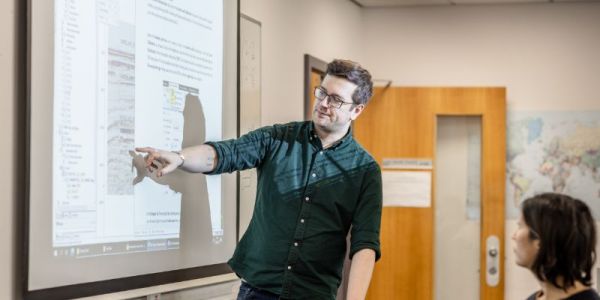
Watch our Masters talks
Discover how you can take your knowledge to the next level with a Masters degree.
More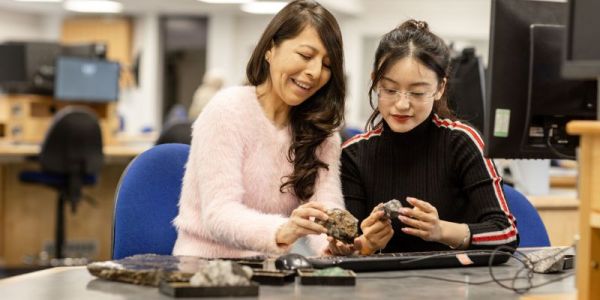
View our facilities
You'll have access to industry-recognised equipment and laboratories throughout your degree.
More
Explore our research
Our research expertise means we deliver teaching that’s informed by the latest discoveries.
More
Funding your degree
Find out more about your options for making your degree a reality with funding.
MoreExploring Leeds
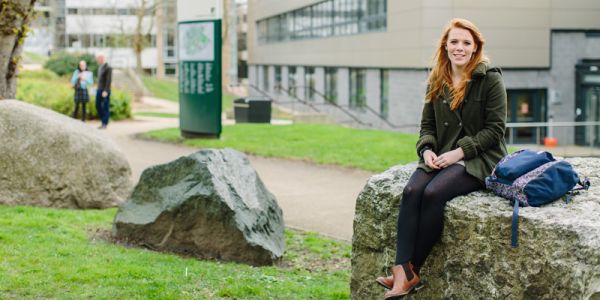
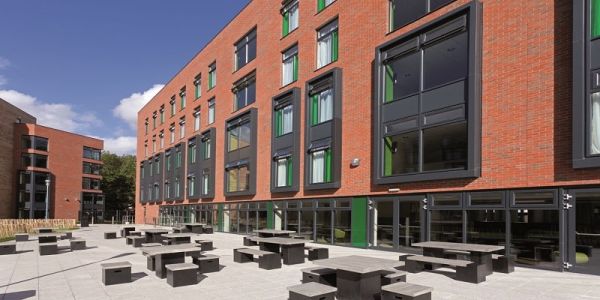
Grand buildings, iconic landmarks and sustainable green space: our single-site campus has it all. When you study at the University of Leeds, you’ll be on the doorstep to one of the most vibrant and multicultural cities in the UK, with the benefit of enjoying our historic campus.



Hannah Thomas
Sustainable Food Systems MSc
"I have gained invaluable experiences, friends, connections and confidence through taking this masters course and I am so happy I took the plunge."

Kolade Victor Otokiti
Environment and Development MSc
"Studying Environment and Development at the University of Leeds offers unparalleled and unique approaches to addressing a wide variety of emerging socio-economic concerns and complex environmental challenges."

Yasmin Roberts
Exploration Geophysics MSc
"The breath of topics covered by the course at Leeds and excellent teaching puts you in a great position to enter a variety of geoscience careers."